Introduction
Meal prepping is a powerful strategy to save time, eat healthier, and reduce stress during the week. While it sounds simple, effective meal prep requires some planning and organization. In this article, we'll explore ten strategies that can transform your meal preparation routine.
1. Set Clear Goals
Before diving into meal prepping, define your objectives. Are you aiming to save time, lose weight, or introduce more variety into your diet? Clear goals will guide your choices and keep you focused.
2. Plan Your Meals
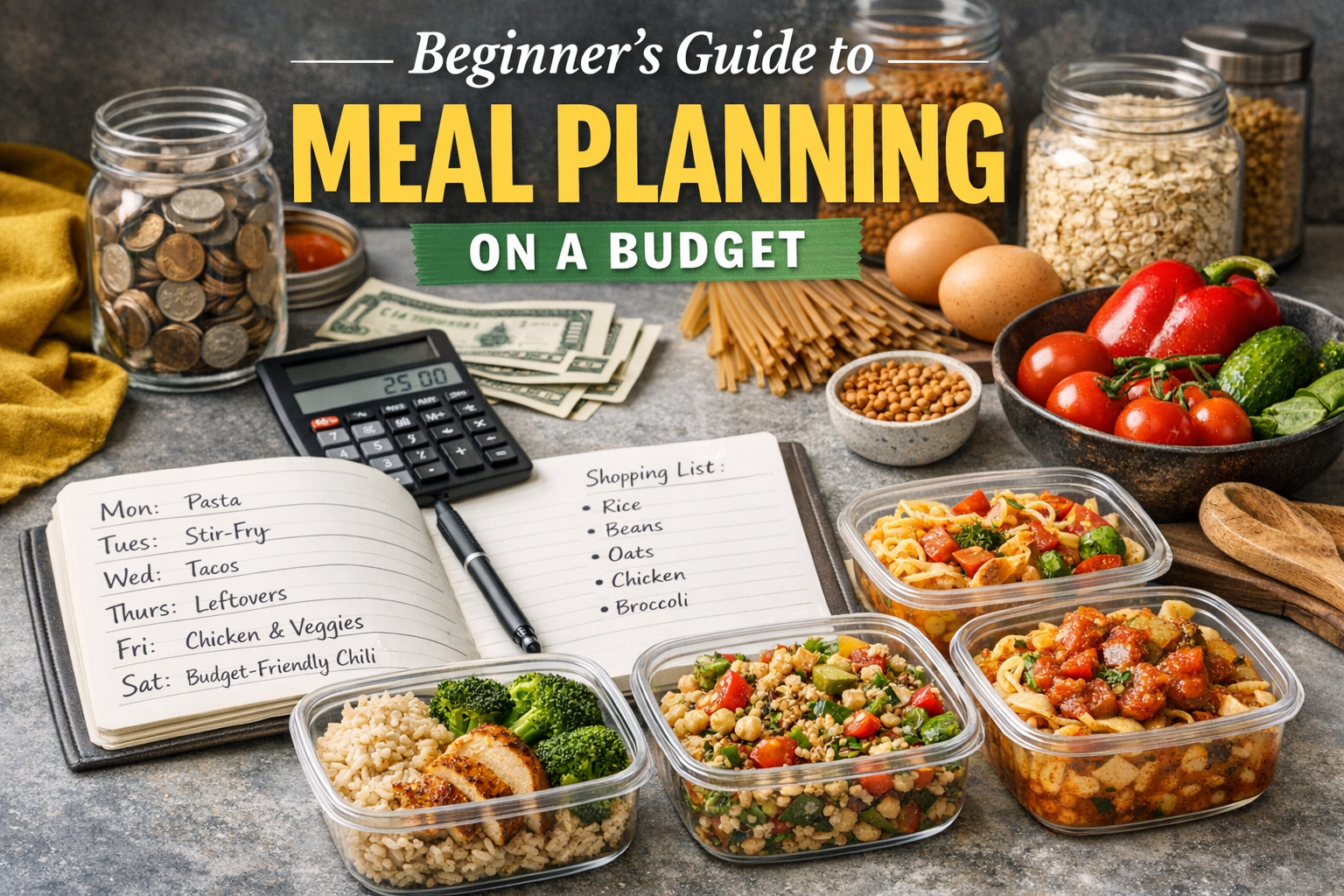
Start by creating a weekly meal plan. Consider breakfast, lunch, dinner, and snacks. Write down the recipes you'll use, ensuring they align with your goals and dietary preferences. This strategy helps avoid last-minute decisions that might lead to unhealthy choices.
3. Create a Shopping List
Once your meals are planned, list all the ingredients you need. A detailed shopping list prevents impulse buying, ensures you have everything, and saves time at the grocery store.
4. Cook in Batches
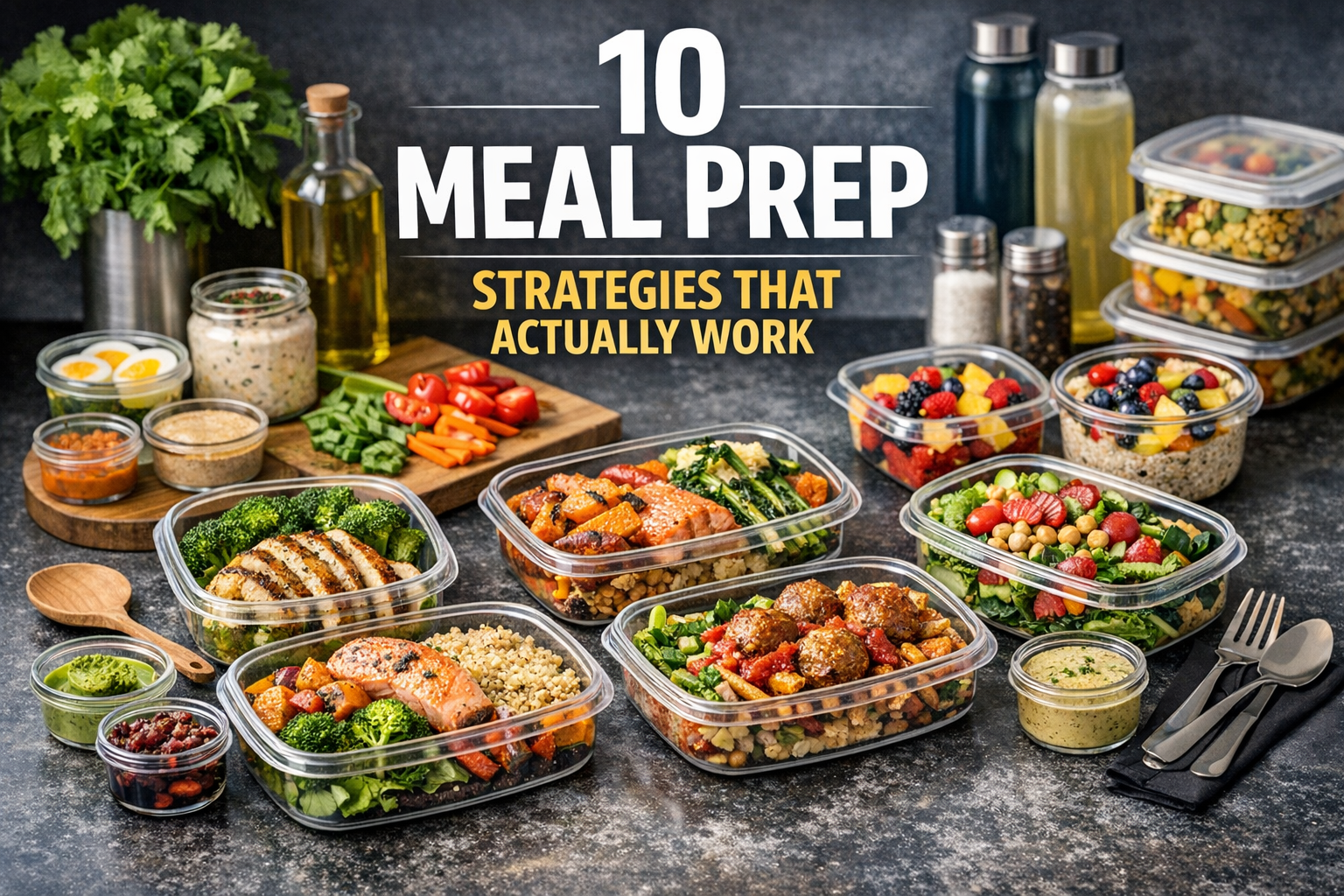
Batch cooking involves preparing large quantities of food in one go, which can be stored for later use. This saves time during the week and can be a life-saver on busy days. Consider making big batches of staples like rice, beans, or roast vegetables.
5. Use Proper Storage Containers
Invest in good quality, reusable containers that are suitable for freezing and microwaving. Proper storage allows your meals to stay fresh longer and makes reheating easy and convenient.
6. Prep All at Once
Dedicate a specific time each week to meal prep. This could be a Sunday afternoon or any other time that fits your schedule. Consolidating your prep time helps maintain focus and makes the process feel less overwhelming.
7. Include Versatile Ingredients
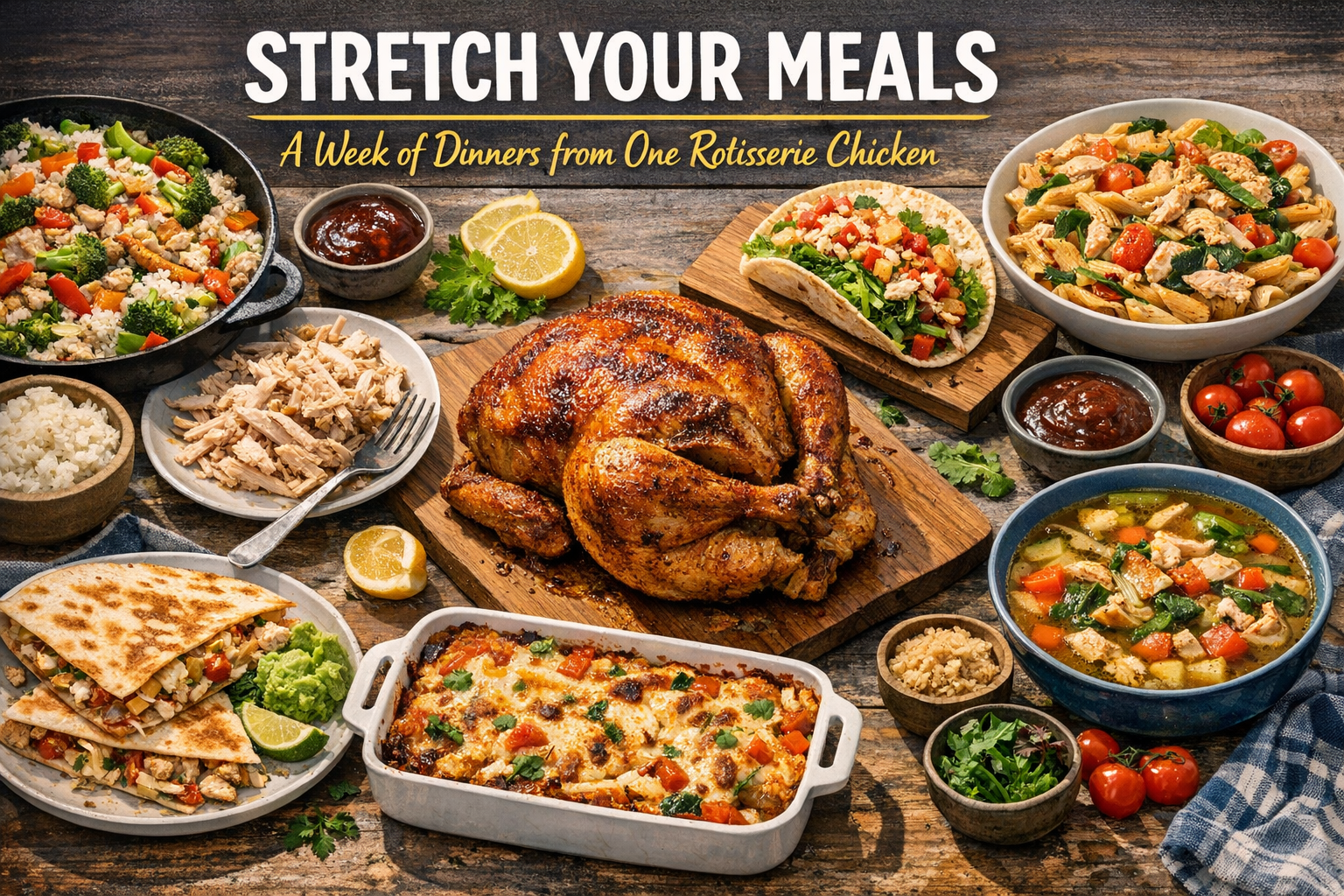
Choose ingredients that can be used in multiple meals. For example, roast chicken can be used in salads, wraps, or stir-fries. Versatile ingredients minimize waste and maximize meal variety.
8. Keep It Simple
Start with simple recipes and gradually increase complexity as you get comfortable. Over-complicating meals can lead to burnout and make sticking with meal prep more difficult.
9. Don’t Forget Snacks
Including snacks in your meal prep ensures that you have healthy options ready, reducing the temptation to grab unhealthy alternatives. Nuts, fruits, and yogurt can be prepped and portioned ahead of time.
10. Label Everything
Once your meals are ready, label each container with the meal name and date. This helps keep track of what you've prepped and when, ensuring you consume meals while they are fresh.
Conclusion
Incorporating these strategies into your routine can vastly improve your meal prep experience. Start with one or two strategies and gradually build from there. With time, meal prepping can become a seamless part of your lifestyle, leading to healthier eating habits and more efficient use of your time.