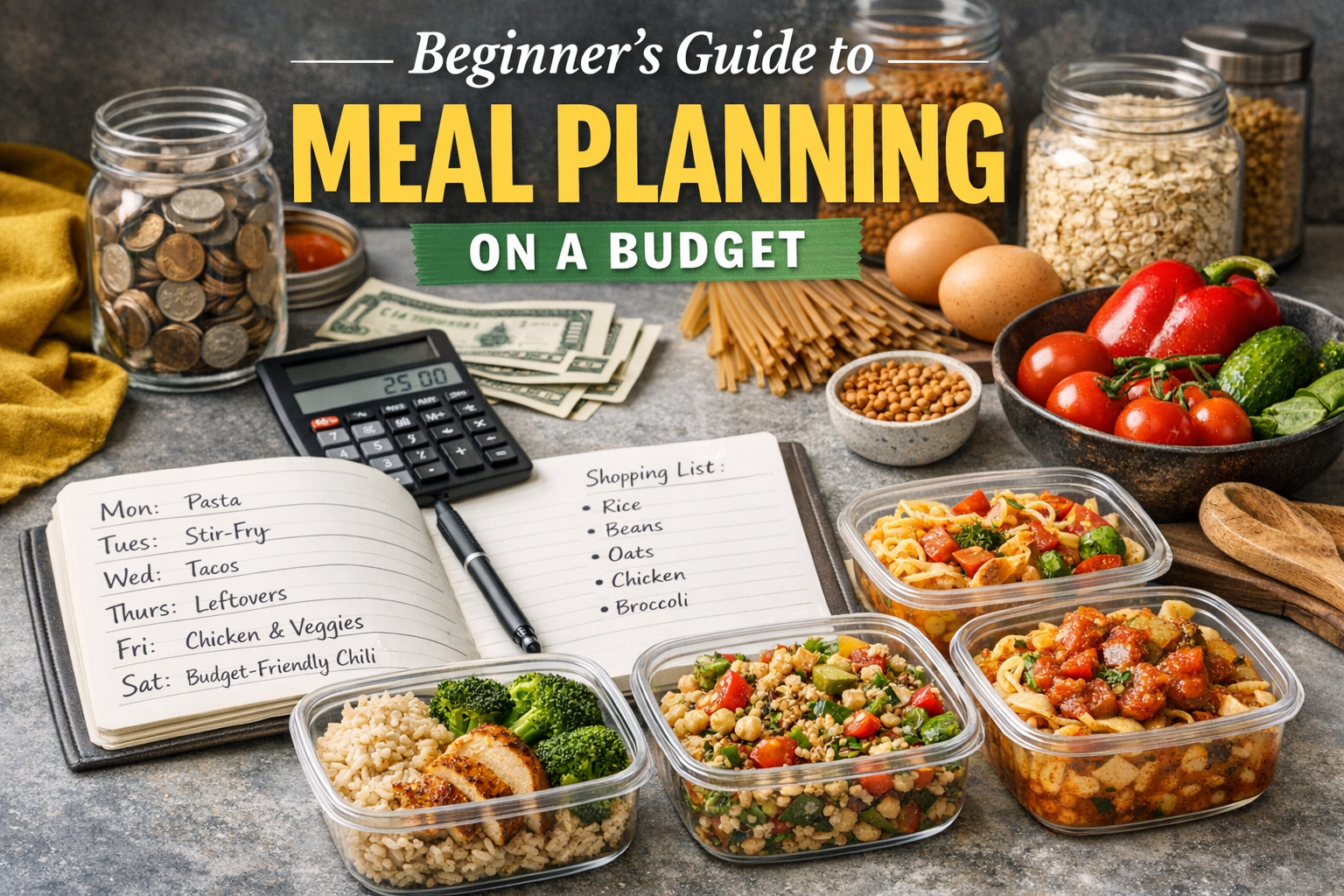
Understanding Meal Planning
Meal planning is the practice of designing a strategy for meals to be prepared over a specific time frame, typically a week. This approach can significantly cut food costs and reduce unplanned trips to the grocery store, making it especially beneficial for those on a budget.
Benefits of Meal Planning
1. **Cost Savings**: By planning meals in advance, you avoid impulse purchases and can take advantage of discounts and bulk purchases.
2. **Reduced Food Waste**: Planning meals helps you buy only what you need, reducing the risk of food going unused and expiring.
3. **Time Management**: Deciding on meals ahead of time saves daily decision-making and can streamline cooking processes, especially on busy weekdays.
Steps to Begin Meal Planning
1. Set a Budget
Decide how much money you can allocate to meals and groceries each week. This financial framework will guide your shopping and help prioritize needs over wants.
2. Inventory Check
Before planning, check your current pantry, fridge, and freezer to identify what ingredients you have and what you need. This prevents duplicate purchases and waste.
3. Plan Your Meals
- **Choose Recipes**: Select recipes that utilize ingredients you have or ingredients that are on sale. - **Prioritize Simple Dishes**: Opt for simple recipes especially if you're new to cooking or have limited time.
4. Create a Shopping List
List all ingredients required for your planned meals. Stick to this list to avoid unnecessary expenses.
5. Cook in Batches
Prepare meals in bulk, especially freezer-friendly ones. This not only saves money but ensures you always have meals ready-to-eat with minimal prep.
Tips for Budget-Friendly Meal Planning
- **Shop Seasonally**: Seasonal produce is usually cheaper and fresher. - **Buy in Bulk**: Items like grains, beans, and nuts can be cost-effective when bought in bulk. - **Use Leftovers**: Reinvent leftovers into new dishes to maximize meals and minimize waste.
Common Mistakes to Avoid
- **Not Being Flexible:** Be ready to adapt if certain ingredients are more expensive than anticipated. Flexibility allows for substitution and keeps cost in check.
- **Ignoring Sales and Coupons:** These can greatly reduce costs; however, ensure they align with your planning, and not lead to unnecessary purchases.
- **Overcomplicating Meals:** Keep it simple, particularly if you're pressed for time or just beginning.
Conclusion
Meal planning on a budget requires some initial effort and planning, but it greatly pays off in saving money and reducing stress over daily meals. Starting with small changes can gradually transform your approach to cooking and eating, helping you enjoy nutritious meals without financial strain.