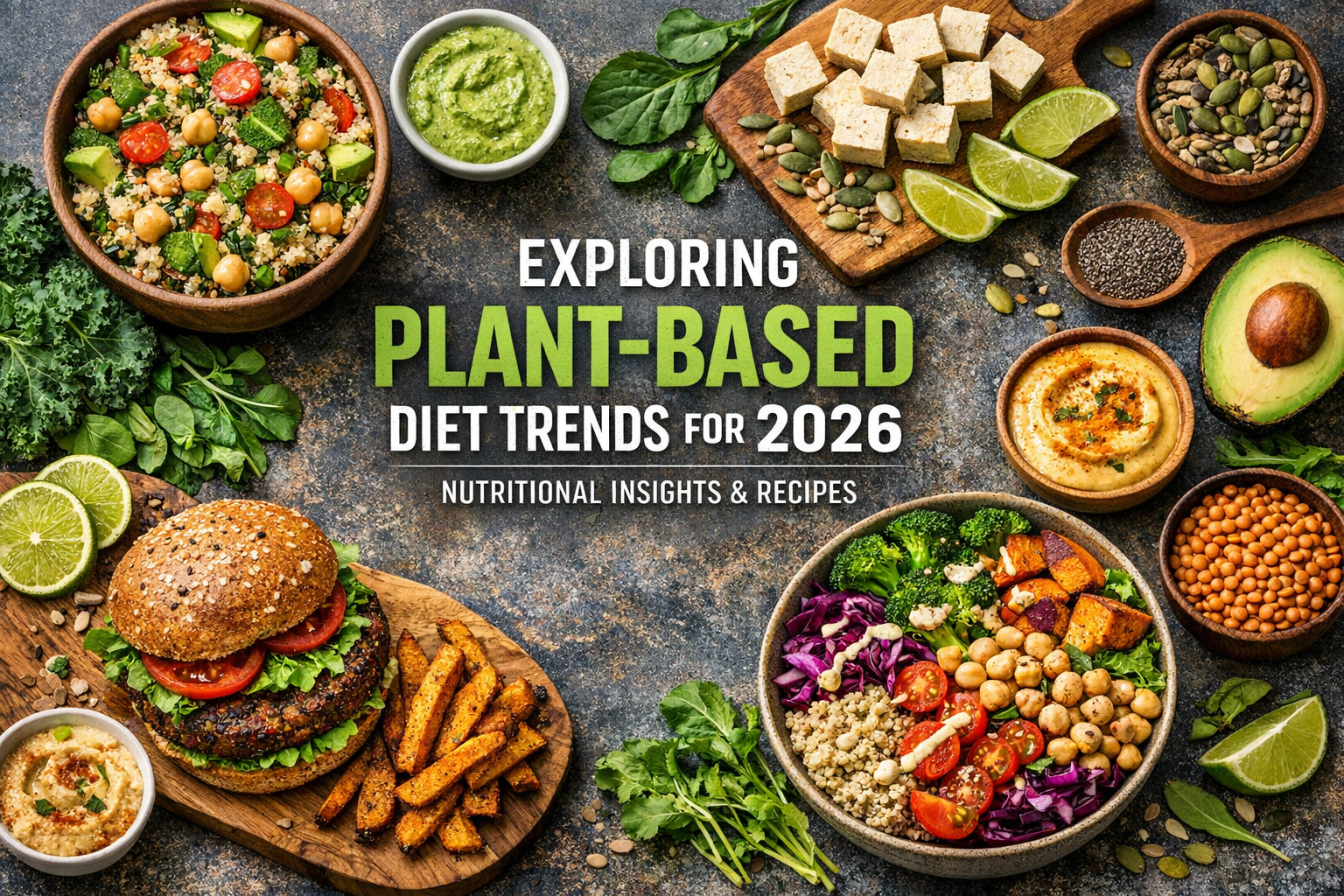
Introduction The rise of plant-based diets has evolved from a niche trend to a mainstream movement, and as we look towards 2026, this shift shows no signs of slowing. This article explores the latest trends in plant-based eating, providing nutritional insights and mouth-watering recipes that promise to meet the demands of the modern, health-conscious consumer. With increasing awareness of sustainability, health, and ethical considerations, plant-based diets are not just about exclusion but about rediscovering nutrition in a vibrant new light.
The Rise of Plant-Based Eating: A Global Perspective Plant-based diets have seen exponential growth globally, influencing food markets, consumer behavior, and dietary patterns. According to a report by Allied Market Research, the global plant-based food market size was valued at $29.4 billion in 2020 and is projected to reach $162 billion by 2030. This rise is attributed to increased health awareness, environmental concerns, and the influence of social media.
Case Study: Market Growth in Europe and North America In Europe, plant-based diets have gained prominence with vegan festivals, supermarket offerings, and even governmental dietary guidelines advocating plant-rich meals. Meanwhile, North America has experienced similar trends, with popular fast-food chains offering plant-based menu items.
Nutritional Benefits of Plant-Based Diets One of the primary drivers behind the adoption of plant-based diets is their well-documented health benefits. Experts from the American Dietetic Association point out that appropriately planned vegetarian and vegan diets are healthful, nutritionally adequate, and provide health benefits in the prevention and treatment of certain diseases.
Essential Nutrients in Plant-Based Diets - **Protein:** Sources include legumes, tofu, tempeh, quinoa, and seitan, which are becoming mainstay ingredients in many kitchens. - **Fiber:** Primarily found in fruits, vegetables, and whole grains, a high-fiber intake is linked to a lowered risk of chronic disease. - **Vitamins and Minerals:** Plant-based diets are rich in essential nutrients such as vitamins A, C, and E, magnesium, and potassium.
Trends and Innovations in Plant-Based Foods The future of plant-based eating is bright with innovative products and trends driving the market. Here are some noteworthy developments:
The Emergence of Plant-Based Dairy Plant-based milk, cheese, and yogurt have seen a boom in recent years. Products made from almond, oat, and pea protein are gaining popularity not just among vegans but also those with lactose intolerance.
Fermented Plant Foods: A Gut Health Revolution Fermented foods like kimchi, kombucha, and tempeh are becoming cornerstone products due to their probiotic benefits, supporting gut health and general wellness.
Delicious Plant-Based Recipes for 2026 Embracing a plant-based lifestyle doesn't mean sacrificing taste or culinary diversity. Here's a compilation of recipes set to trend in 2026:
Breakfast: Turmeric-Spiced Overnight Oats Start your day with a nutrient-packed bowl of overnight oats infused with turmeric, chia seeds, almond milk, and topped with fresh berries.
Lunch: Quinoa and Black Bean Stuffed Peppers A hearty option featuring quinoa and black beans as a protein-packed filling, enhanced with spices, and baked to perfection.
Dinner: Creamy Cashew Alfredo with Zucchini Noodles An indulgent yet healthy pasta alternative using a cashew-based sauce for a rich texture without dairy.
Dessert: Coconut Milk Panna Cotta with Mango Puree Experience luxury with a light panna cotta using coconut milk and a refreshing mango topping.
Overcoming Challenges and Misconceptions Transitioning to a plant-based diet can be daunting for some, due to misconceptions about nutritional adequacy and palatability.
Myth-Busting with Expert Insights Nutritionist Dr. Jane Mitchell highlights that "With proper planning, a plant-based diet can provide all the essential nutrients the body needs. It's about diversity and balance."
Practical Tips for Transitioning to a Plant-Based Diet Successfully adopting a plant-based lifestyle requires thoughtful integration. Here are some practical tips:
Incremental Changes Start small by incorporating plant-based meals a few times a week and gradually expand your repertoire.
Meal Prepping and Planning Dedicate time each week to plan and prepare meals to ensure variety and nutrient density.
Conclusion: The Future is Green As we move toward 2026, plant-based diets continue to offer a sustainable, nutritious, and exciting way to eat. By embracing the latest trends, armed with nutritional knowledge and practical recipes, anyone can enjoy a healthy, varied, and delicious plant-based lifestyle.
The key takeaways from this exploration into the future of plant-based diets include understanding the global movement, appreciating the diversity of flavors and nutrients, and recognizing the pivotal role such diets play in promoting health and sustainability. The journey is not just about eating the right foods but about making a conscious choice for the planet and one's well-being.