Understanding Fresh and Dried Herbs
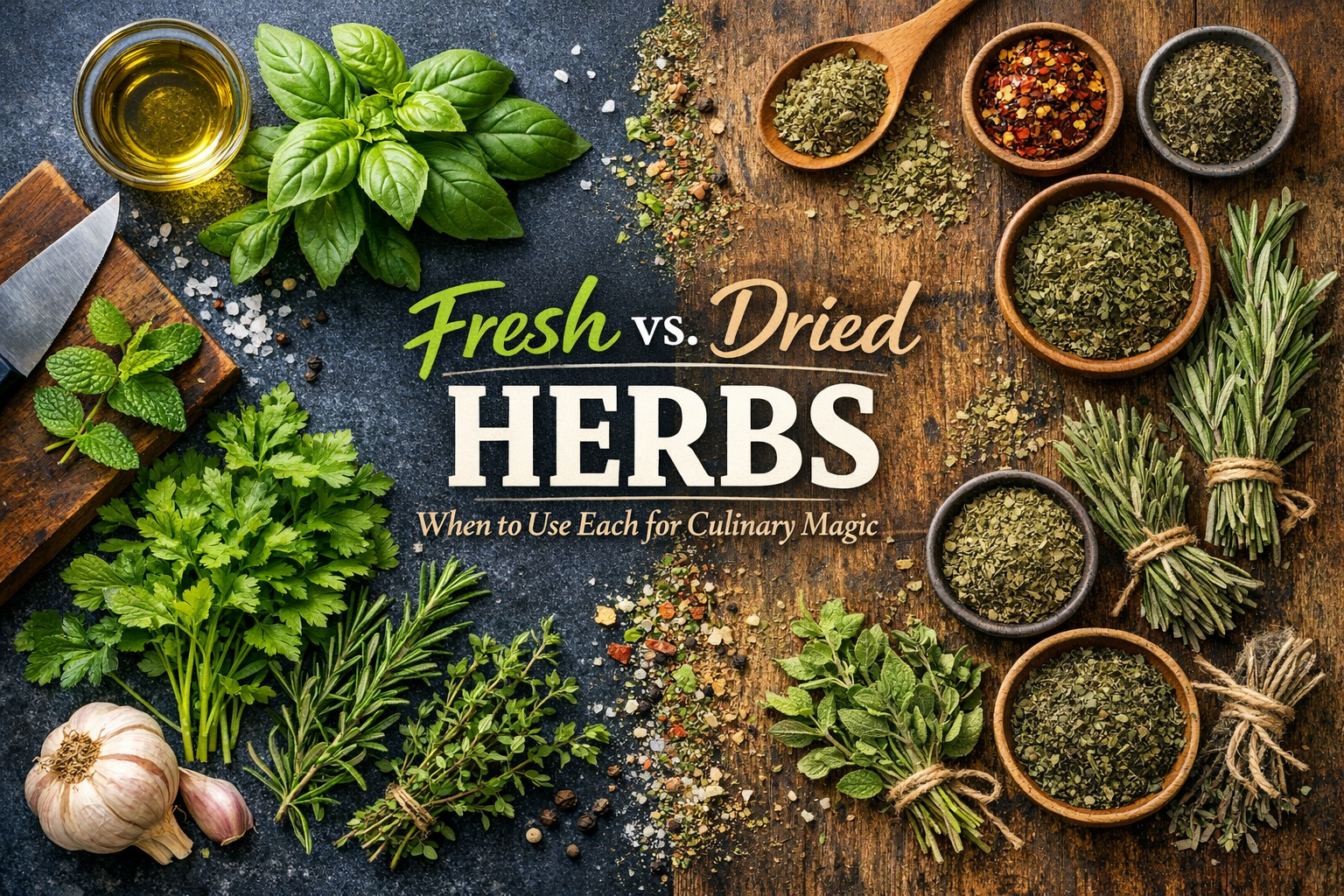
Herbs are an essential component of culinary arts, bringing flavors and aromas that elevate dishes to new heights. The choice between fresh and dried herbs can significantly impact the taste and presentation of your meal, and knowing when to use each can transform your culinary expertise.
Fresh Herbs: The Essence of Freshness
Fresh herbs are known for their vibrant flavors and aromas. They are typically used at the end of cooking to enhance the flavor of a dish with a burst of freshness. Fresh herbs such as basil, parsley, cilantro, and dill are perfect for garnishing and adding to salads, sauces, and lightly cooked dishes.
#### When to Use Fresh Herbs:
1. **Garnishing:** Fresh herbs are visually appealing and add a splash of color to your dishes. Basil leaves on pasta or mint on desserts both enhance and complement the dish aesthetically. 2. **Raw Applications:** In dishes like salads or salsas where herbs are not cooked, their vibrant flavors shine through. 3. **Lightly Cooked Dishes:** Fresh herbs can lose their flavor when cooked for a long time. Adding them near the end of the cooking process in lightly cooked dishes preserves their freshness.
Dried Herbs: Intensified Flavors
Dried herbs offer a concentrated flavor and a longer shelf life compared to fresh herbs. They work best in dishes that require long cooking times, like stews, soups, and roasts. Common dried herbs include thyme, oregano, rosemary, and bay leaves.
#### When to Use Dried Herbs:
1. **Long Cooking Times:** Dried herbs release their flavors slowly, making them ideal for dishes that simmer over time, allowing the flavors to meld. 2. **Seasoning Mixes:** Dried herbs are often used in spice blends and rubs, offering a consistent flavor profile. 3. **Economic Efficiency:** For herbs that are not commonly used fresh, such as marjoram or bay leaves, having them dried reduces waste and ensures availability.
How to Substitute and Measure
When substituting between fresh and dried herbs, it’s important to consider the intensity of flavors. Generally, dried herbs are more potent, so the rule of thumb is to use one-third the amount of dried herbs to fresh herbs. For example, if a recipe calls for 1 tablespoon of fresh oregano, use 1 teaspoon of dried oregano.
Storing Herbs for Maximum Flavor
To maintain their potency, herbs require proper storage:
- **Fresh Herbs:** Store in the refrigerator, wrapped in a damp paper towel and placed in a plastic bag. Some herbs, like basil, fare better at room temperature in a glass of water. - **Dried Herbs:** Keep them in a cool, dark, and dry place in an airtight container. Exposure to light and heat can deteriorate their flavor over time.
Conclusion
Choosing between fresh and dried herbs can be pivotal in achieving the desired taste in your cooking. Fresh herbs excel in providing a bright, clean flavor, while dried herbs add depth and richness, particularly in dishes cooked over longer periods. Understanding their unique properties and applications ensures that every dish you create is a work of culinary art.