Introduction
Every cook, whether a novice or a seasoned chef, has experienced the culinary misstep of over-salting a dish. While the initial reaction might be to panic or discard the dish, there are several effective solutions to rectify this common mistake.
Recognizing Over-Salting
The first step in resolving an over-salted dish is recognizing the issue early. A simple taste test while cooking or before serving can reveal if salt levels are too high. This proactive step can prevent a salt catastrophe before it spoils your meal.
Common Techniques to Fix Over-Salted Dishes
1. **Dilution Technique**
One of the most straightforward methods to counteract excessive saltiness is dilution. This involves adding more of the main ingredient or a complementary liquid, such as water, stock, or broth. For soups and stews, this technique works wonders and helps in balancing the flavors without losing the dish's essence.
2. **Adding Starchy Ingredients**
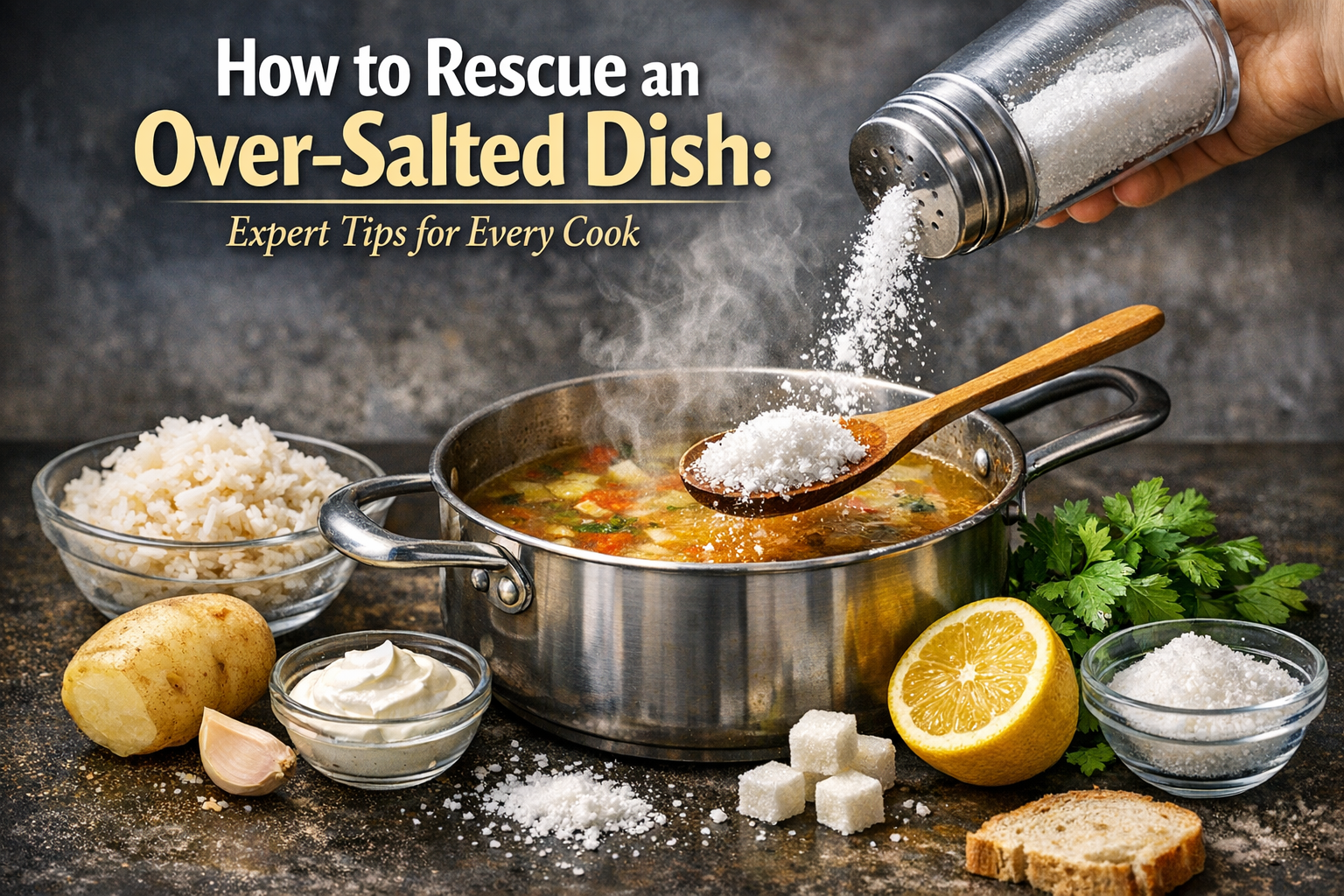
Adding starchy foods like potatoes, rice, or pasta can absorb excess salt. For instance, drop a peeled raw potato into a salty soup or stew and let it simmer. The potato will soak up some of the salt, leaving you with a milder dish.
3. **Incorporating Sour Elements**
Acidic ingredients such as vinegar, lemon juice, or tomatoes can help cut through saltiness by adding a new layer of flavor complexity. Carefully adjust the dish’s acidity to ensure it complements rather than overwhelms the original taste.
Creative Solutions for Specific Dishes
1. **Rescuing Over-Salted Soups and Stews**
For brothy dishes, the dilution method can be adjusted using a low-sodium broth instead of plain water to retain flavor while reducing salt intensity. Additionally, the potato technique or adding a bit of unsalted, cooked grains can improve the dish.
2. **Saving Overly Salty Meat Dishes**
If you find your meat is too salty, rinse the meat under cold water if it's feasible, or serve it with an unsalted starch such as grains or vegetables. This can balance out the saltiness when combined in a bite.
Prevention Tips
Preventing over-salting starts with careful tasting and seasoning during the cooking process. Use the 'add less, taste more' approach, gradually incorporating salt, especially when reducing sauces, as this can concentrate saltiness.
Additionally, consider the salt content in added ingredients such as pre-packaged sauces or broths. Opt for low-sodium versions when available to maintain control over the final dish's salt level.
Conclusion
Rescuing an over-salted dish requires creativity and a calm approach. By understanding various techniques and prevention strategies, you can transform a potential disaster into a delicious meal. Remember, cooking is an art, and with every challenge comes an opportunity to learn and improve your culinary skills.