Introduction
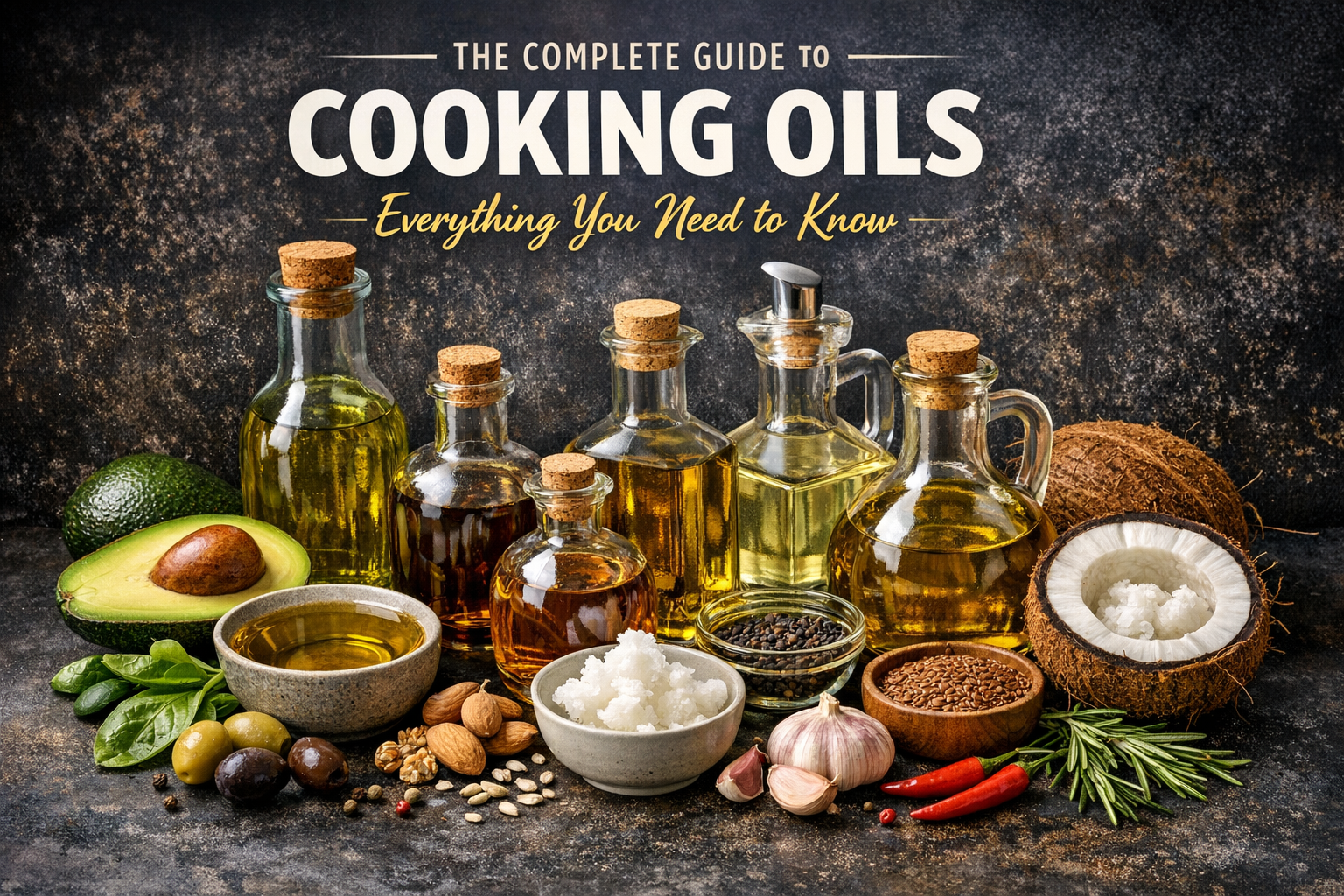
Cooking oils are an essential staple in kitchens around the world. Beyond just being a medium for cooking, they are a source of flavor, texture, and nutritional value. This guide will help you navigate the vast landscape of cooking oils, from understanding their different types to choosing the best ones for your culinary needs.
Types of Cooking Oils
Olive Oil
Olive oil is celebrated for its heart-healthy properties and rich flavor. It comes in several varieties, including extra virgin, virgin, and pure. Extra virgin olive oil is the highest quality, often used in salads and drizzling over cooked dishes, while the other types are more suitable for cooking at higher temperatures.
Canola Oil
Derived from the rapeseed plant, canola oil is known for its neutral taste and high smoke point, making it perfect for frying and baking. It's a popular choice for those looking to reduce saturated fat intake, as it is low in this type of fat.
Sunflower Oil
Sunflower oil is another versatile oil with a mild taste, ideal for all-purpose cooking. It's high in Vitamin E and has a high smoke point, suitable for frying and sautéing.
Coconut Oil
With its distinct aroma and taste, coconut oil is favored in tropical cuisines and for certain baking recipes. While high in saturated fats, it's popular among those following a ketogenic diet. Refined coconut oil is often used for cooking due to its higher smoke point compared to virgin coconut oil.
Avocado Oil
Known for its buttery flavor, avocado oil is rich in monounsaturated fats. It's excellent for cooking at high temperatures due to its high smoke point and is often used in dressings and marinades.
Sesame Oil
A staple in Asian cuisine, sesame oil provides a rich, nutty flavor. It's often used as a finishing oil to enhance the taste of dishes, although light sesame oil can also be used for frying.
Choosing the Right Oil
When selecting a cooking oil, consider its intended use. Factors like smoke point, flavor, and nutritional profile play crucial roles:
- **Smoke Point**: Oils with high smoke points, like canola, sunflower, and avocado, are great for frying, whereas oils with lower smoke points, like extra virgin olive oil, are better for cold dishes or light sautéing. - **Flavor**: The flavor profile of oils can affect your dish. Strong-flavored oils like sesame or extra virgin olive oil are best used where their flavors can be highlighted. - **Nutritional Value**: Oils high in unsaturated fats, like olive and avocado oil, are healthier than those high in saturated fats.
Storing Cooking Oils
Proper storage is key to maintaining the quality of your cooking oils:
- **Avoid Heat and Light**: Store oils in a cool, dark place to prevent them from going rancid. - **Seal Tightly**: Ensure bottles are sealed tightly to avoid oxidation. - **Shelf Life**: Most oils can last up to a year if stored properly. However, oils like linseed and flaxseed should be refrigerated and consumed within a few months.
Conclusion
Understanding the different types of cooking oils and how to use them effectively can enhance your culinary skills and improve your meals. Whether you're frying, baking, or simply drizzling, choosing the right oil can make all the difference in flavor and nutrition.