Introduction
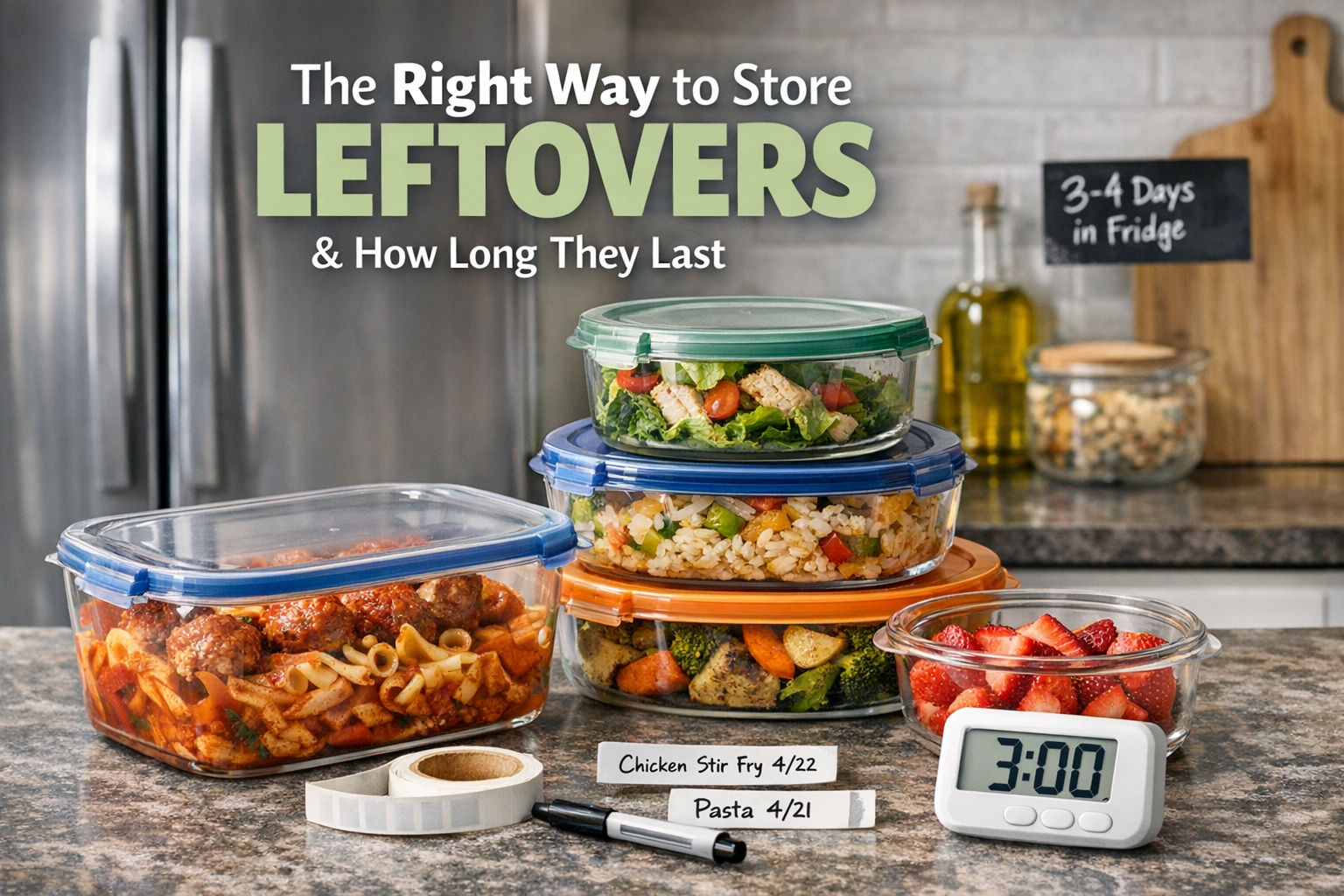
Storing leftovers properly not only helps in minimizing food waste but also ensures that your meals remain safe to eat. Understanding the ideal methods for storing different types of leftovers can save time and reduce the risk of foodborne illnesses.
Why Proper Storage is Important
Leftovers, if not stored correctly, can become breeding grounds for bacteria, leading to food poisoning. By following proper storage guidelines, you can extend the shelf life of your meals and enjoy their flavors again.
Best Practices for Storing Leftovers
1. Use the Right Containers
Using airtight containers is crucial for maintaining freshness and preventing odor exchange between foods in your fridge. Glass and BPA-free plastic containers with tight-sealing lids are ideal as they can easily transition from fridge to microwave.
2. Label Everything
Always label your containers with the date they were stored. This helps in keeping track of how long the food has been refrigerated. Labels can be as simple as masking tape with the date written on it.
3. Follow the Two-Hour Rule
Ensure leftovers are refrigerated within two hours of cooking. This timeframe is critical, as bacteria start growing on cooked food when left at room temperature for too long.
4. Store at the Right Temperature
Your refrigerator should be set at or below 40°F (4°C) to slow bacterial growth. The freezer should remain at 0°F (-18°C) or lower for optimal food preservation.
How Long Do Leftovers Last?
General guidelines suggest that most leftovers can be safely stored in the fridge for three to four days. Some specific guidelines include:
- **Soups and Stews**: 3-4 days - **Cooked Poultry and Meats**: 3-4 days - **Rice and Pasta**: 3-5 days - **Vegetable Dishes**: 3-4 days
Freezing Leftovers
For long-term storage, freezing is an excellent option. Most cooked dishes can be stored safely in the freezer for two to six months. However, some foods may change in texture after thawing, such as cooked potatoes and sauces thickened with flour or cornstarch.
Thawing Safely
When you’re ready to eat your frozen leftovers, it's best to thaw them in the refrigerator, which may take several hours. This method keeps the food out of the temperature danger zone (40-140°F or 4-60°C) where bacteria multiply rapidly.
Conclusion
Storing leftovers correctly not only retains their taste and nutrition but also ensures safety for consumption. By following these guidelines, you can enjoy your meals worry-free and contribute to a more sustainable kitchen practice.