Introduction
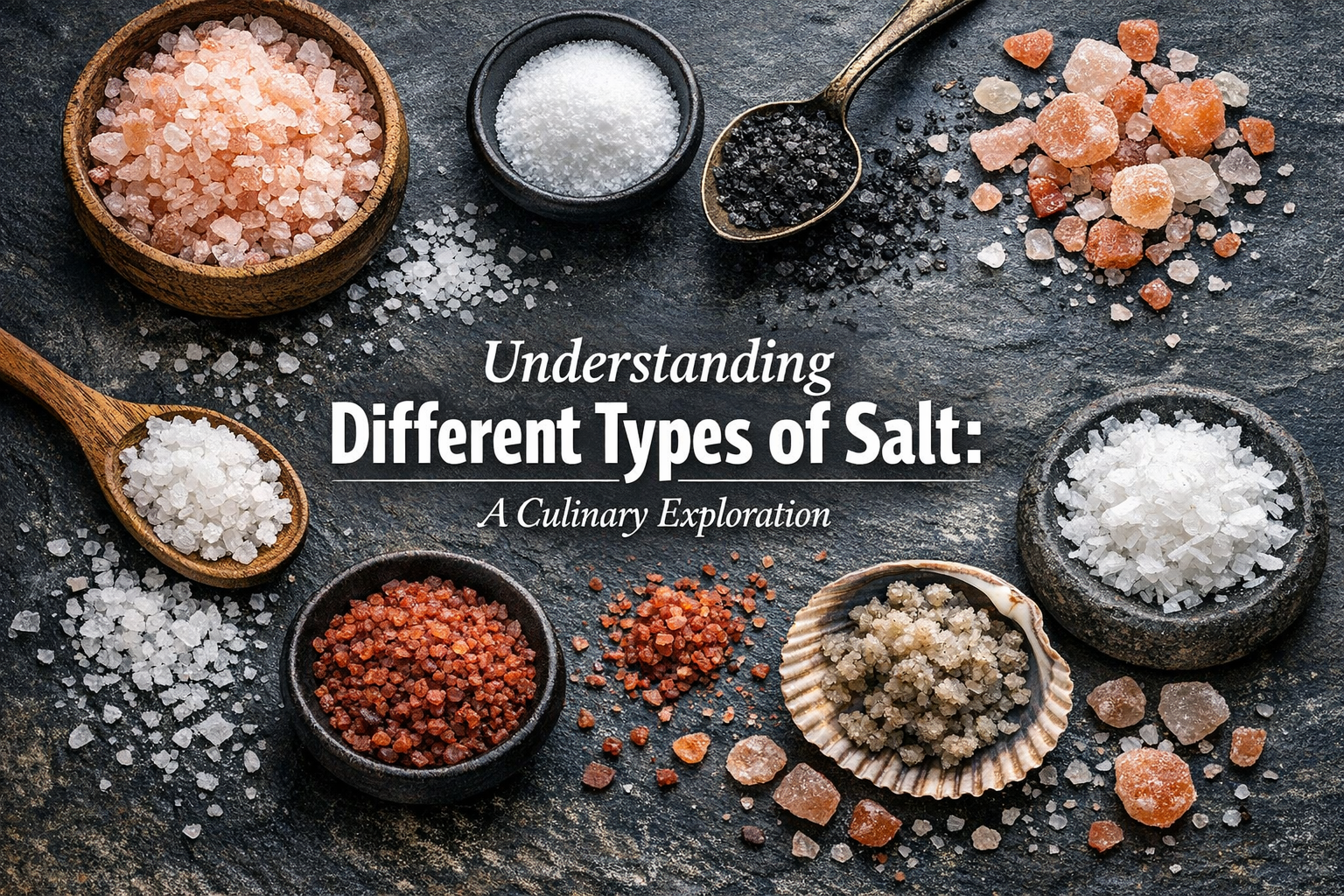
Salt is an essential ingredient used in cooking and food preservation. It comes in various forms, each with unique characteristics that can influence the flavor, texture, and overall outcome of a dish. This article explores the different types of salt available and their best uses in the kitchen.
Table Salt
Table salt is the most common type of salt found in households worldwide. It is highly refined, consisting primarily of sodium chloride, and often contains additives like iodine, an essential nutrient, and anti-caking agents to prevent clumping. Table salt is ideal for general cooking and baking due to its fine texture.
Sea Salt
Harvested from evaporated seawater, sea salt retains trace minerals that can enhance its flavor. It comes in various grain sizes, from fine to coarse, and is appreciated for its subtle taste and crunchy texture. Sea salt is excellent for seasoning and finishing dishes, offering a more complex taste profile than table salt.
Kosher Salt
Kosher salt is named for its role in the Jewish koshering process where blood is drawn out of meat. It has larger, irregular crystals that make it easy to pinch and sprinkle. Because kosher salt dissolves quickly, it is favored by chefs for seasoning dishes during the cooking process. It is also commonly used in brines and curing.
Himalayan Pink Salt
Sourced from mines in Pakistan, Himalayan pink salt is known for its distinctive pink hue, attributed to its mineral content, including magnesium, potassium, and calcium. It's often used as a finishing salt and can add a mild flavor and striking visual appeal to dishes. Beyond culinary uses, it's also popular in home decor and wellness products.
Fleur de Sel
Meaning "flower of salt" in French, fleur de sel is harvested by hand from the surface of salt ponds in specific coastal regions of France. The delicate, flaky crystals are prized for their fine quality and are used as a finishing salt. Known for its moisture content and subtle brininess, fleur de sel elevates sweets and savory dishes alike with just a pinch.
Smoked Salt
Smoked salt is created by smoking salt over wood fires, which infuses the crystals with a deep, savory aroma. This type of salt can enhance barbecued meats or add a smoky flavor to vegetarian dishes, salads, and even desserts. Smoked salt brings a rustic, robust flavor wherever an extra layer of depth is desired.
Black Salt (Kala Namak)
Popular in Indian cuisine, black salt or kala namak has a pungent, sulfurous aroma due to its high mineral content. It is often used in vegan dishes to impart an egg-like taste, as well as in traditional dishes like chaat. Its bold flavor is a distinctive addition to a variety of recipes.
Conclusion
Understanding the characteristics of different types of salt can enhance your culinary skills. Each variety offers unique benefits and flavors, allowing chefs and home cooks to experiment and discover the nuances of taste in their culinary creations. Whether you're seasoning a simple salad or preparing an exquisite gourmet dish, choosing the right type of salt can make all the difference.